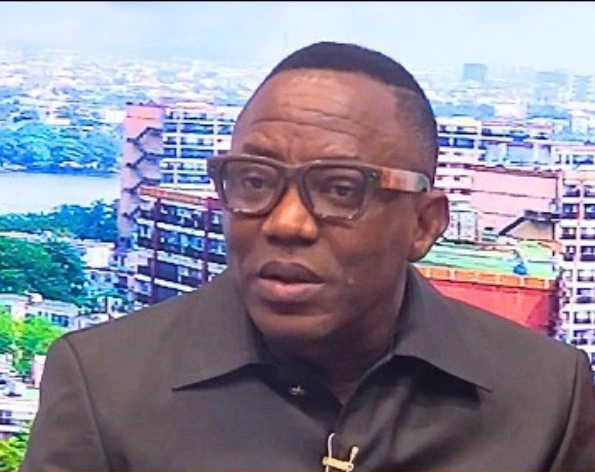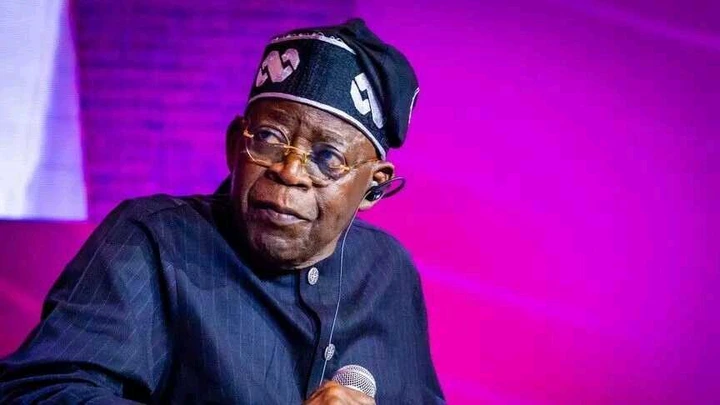


On Thursday, August 6, 2026, a significant development emerged from the political landscape of Nigeria as Omoyele Sowore, the presidential candidate representing the African Action Congress (AAC), took to his official account on X to voice his concerns following President Bola Ahmed Tinubu’s recent directive to the Economic and Financial Crimes Commission (EFCC). The President instructed the EFCC to vacate a court order that had previously restricted access to the Osun State Government’s financial accounts. This decision has ignited a flurry of reactions and interpretations across the country.
The context behind this directive became clearer through a statement from Bayo Onanuga, the Special Adviser to the President on Information and Strategy. Onanuga revealed that President Tinubu had engaged in a telephone conversation with Osun State Governor Ademola Adeleke, where he communicated his decision to lift the restrictions imposed on the state’s financial operations. This move was portrayed as a step toward facilitating smoother governance for the state, yet it has not gone unnoticed among political observers and critics alike.
In his pointed reaction to the President’s announcement, Sowore expressed stark criticism of the EFCC, alleging that the agency has devolved into a mere puppet, serving the interests of those in power rather than upholding justice and accountability. He emphasized that the EFCC’s actions appear to be driven by partisan goals, rather than its original mandate to combat corruption. Sowore articulated his perspective with conviction, stating, “The EFCC has become a tool in the hands of those in power, deployed whenever they want to pursue their political objectives. And now its owners have called it to order.” His words resonate with ongoing debates about the integrity and autonomy of government institutions in Nigeria, highlighting a growing concern among citizens regarding the politicization of the anti-corruption agency.
Sowore’s comments add a layer of complexity to the ongoing discussions surrounding the President’s directive, as both supporters and detractors of the administration offer divergent interpretations of its implications. While some view the lifting of the court order as a necessary move towards effective governance, others, like Sowore, warn of the potential erosion of institutional independence in the face of political maneuvering.
As of now, the EFCC has yet to publicly address Sowore’s critique, and the broader discourse continues, raising questions about the future of political accountability and the delicate balance between power and control in Nigeria’s governance. The implications of the President’s directive are far-reaching, as stakeholders from various backgrounds weigh in on its potential to reshape the legal and political landscape involving the Osun State Government’s finances. Stay tuned as this story unfolds and more perspectives emerge from this critical moment in Nigeria’s evolving political narrative.


Discover more from Headline Hub
Subscribe to get the latest posts sent to your email.