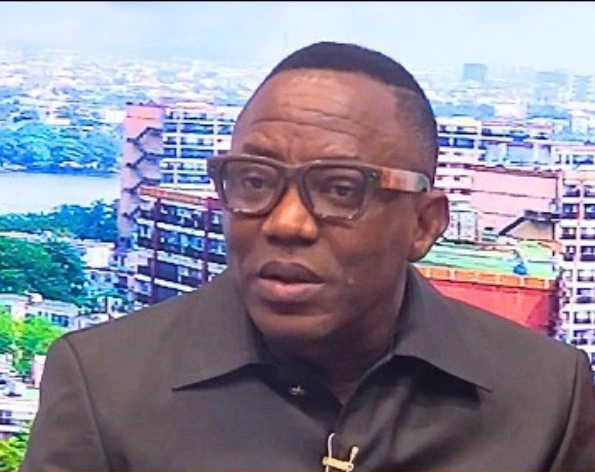


Former Cross River State Governor and Peoples Redemption Party (PRP) presidential candidate Donald Duke has challenged the way Nigeria’s fuel subsidy debate is framed, arguing that the country’s crude oil wealth should be managed more effectively to ease the financial burden on citizens.Duke made the comments at the Nigerian Bar Association (NBA) Conference in Rivers State during a discussion focused on fuel subsidy, petroleum pricing, and the broader management of Nigeria’s natural resources.
Addressing the controversy surrounding subsidy removal, he said, “You can’t remove what doesn’t exist; I postulate that there is nothing like fuel subsidy.”His remarks questioned the explanations commonly offered for Nigeria’s fuel-pricing policies. Duke argued that a major oil-producing country such as Nigeria should be able to obtain greater value from its crude resources and use that advantage to support affordable and stable access to petroleum products.He noted that the price of petrol has consequences far beyond the filling station. Changes in fuel costs directly affect transportation fares, the operating expenses of businesses, the prices of goods and services, and the daily household budgets of Nigerians.
For that reason, he said, government policies on petroleum should be designed not only around revenue collection but also around improving productivity, protecting consumers, and promoting broader economic growth.The PRP presidential candidate also questioned the claim that cheaper petrol would inevitably lead to increased smuggling into neighboring countries. In his view, the possibility of diversion should be addressed through effective border controls, accurate monitoring systems, and stronger enforcement rather than by imposing policies that make fuel more expensive for citizens. Proper oversight, he suggested, could help prevent the illegal movement of petroleum products while ensuring that legitimate consumers benefit from lower prices.
Duke maintained that Nigeria should maximize the advantages of its crude oil resources instead of adopting measures that place additional pressure on households and businesses. He called for greater transparency, accountability, and efficiency in the management of the petroleum sector, saying Nigerians deserved a clearer explanation of how crude oil is exchanged, refined, and distributed.He emphasized that these processes have a direct effect on the final price of petrol and on the wider economy.
Greater openness, he argued, would help citizens understand the factors shaping fuel prices and would also strengthen public confidence in the management of the country’s natural resources.Duke concluded that Nigeria needed a more productive and citizen-focused energy policy. He said the country’s natural resources should be administered in a manner that supports economic activity, reduces unnecessary hardship, encourages investment, and strengthens the national economy.His comments come amid continuing political and economic debates over fuel pricing, subsidy policy, crude oil management, and the effects of energy costs on Nigerians.

Discover more from Headline Hub
Subscribe to get the latest posts sent to your email.