

Introduction
Nigeria, the most populous country in Africa, faces a myriad of social issues that have significant implications for its citizens and the nation’s future. From healthcare disparities to educational challenges, these social issues are intertwined with Nigeria’s socio-economic landscape. This article delves into the current social issues affecting Nigeria, providing insights into their origins, impacts, and the latest developments in addressing them.
Healthcare Challenges
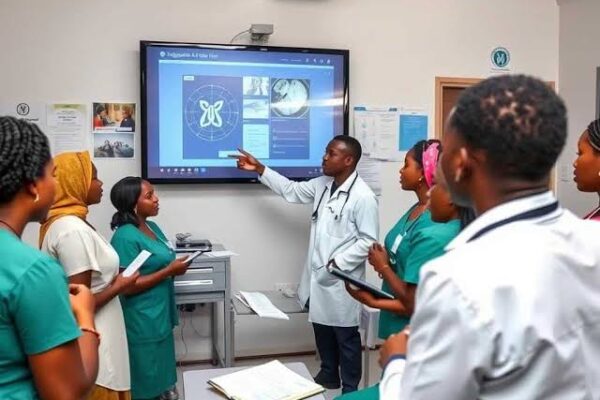
The healthcare system in Nigeria is plagued by numerous challenges, including inadequate funding, a shortage of healthcare professionals, and poor infrastructure. Despite efforts to improve healthcare access, many Nigerians still struggle to receive essential medical services.
Access to Healthcare
Access to healthcare is a critical issue, particularly in rural areas where facilities are scarce. A significant percentage of the population relies on traditional medicine due to limited access to hospitals and clinics. According to the World Health Organization, Nigeria has one of the highest maternal mortality rates globally, highlighting the urgent need for improvement in maternal healthcare services.
Recent Developments
In response to these challenges, the Nigerian government has initiated various health reforms aimed at boosting the healthcare sector. The recent announcement by President Bola Tinubu to greenlight a ₦17 billion fund for the development of 8,804 wards is a significant step towards improving healthcare infrastructure across the country. This investment is expected to enhance access to essential services, particularly in underserved regions. BREAKING: Tinubu greenlights ₦17bn fund for 8,804 wards’ development.
Education Sector Issues
The education sector in Nigeria also faces considerable obstacles, including high dropout rates, inadequate funding, and a lack of qualified teachers. These issues have resulted in a significant number of young people lacking basic education, which impacts their ability to secure meaningful employment.
Quality of Education
Quality education remains a significant concern, with many schools lacking basic amenities such as clean water, electricity, and proper sanitation. The disparity between urban and rural education quality is stark, further exacerbating inequality in access to education.
Government Initiatives
The Nigerian government, recognizing the critical role of education in national development, has launched various initiatives aimed at improving the educational landscape. For instance, the Universal Basic Education (UBE) program aims to provide free and compulsory education for children at the primary and junior secondary levels. However, implementation challenges continue to hinder progress.
Economic Inequality
Economic inequality is another pressing social issue in Nigeria. Despite being one of Africa’s largest economies, the wealth distribution is heavily skewed, with a significant portion of the population living below the poverty line. This economic disparity contributes to social unrest and discontent among citizens.
Impact of Poverty
Poverty in Nigeria is multifaceted, influenced by factors such as unemployment, inflation, and a lack of access to basic services. Many Nigerians struggle to meet their daily needs, leading to increased crime rates and social instability. The government has implemented various social intervention programs, such as the National Social Investment Program (NSIP), aimed at alleviating poverty and providing support to the most vulnerable populations.
Employment Challenges
Unemployment rates in Nigeria are alarmingly high, particularly among youth. The lack of job opportunities has led to a growing informal sector, where individuals engage in low-paying and unstable work. Addressing unemployment is crucial for reducing economic inequality and enhancing the overall quality of life for Nigerians.
Gender Inequality
Gender inequality remains a significant social issue in Nigeria, affecting women’s access to education, healthcare, and economic opportunities. Cultural norms and practices often limit women’s roles in society, perpetuating discrimination and violence against women.
Violence Against Women
Violence against women, including domestic violence and sexual assault, is a pervasive issue in Nigeria. The government has enacted laws aimed at protecting women’s rights, but enforcement remains a challenge. Advocacy groups continue to work towards raising awareness and promoting gender equality across the country.
Social issues in Nigeria are complex, deeply rooted in historical, economic, and cultural contexts. Addressing these challenges requires concerted efforts from the government, civil society, and international partners. As Nigeria continues to grapple with issues such as healthcare, education, economic inequality, and gender inequality, it is imperative to foster dialogue and implement effective policies that prioritize the well-being of all citizens. By tackling these social issues head-on, Nigeria can pave the way for a more equitable and prosperous future for its people.

Discover more from Headline Hub
Subscribe to get the latest posts sent to your email.