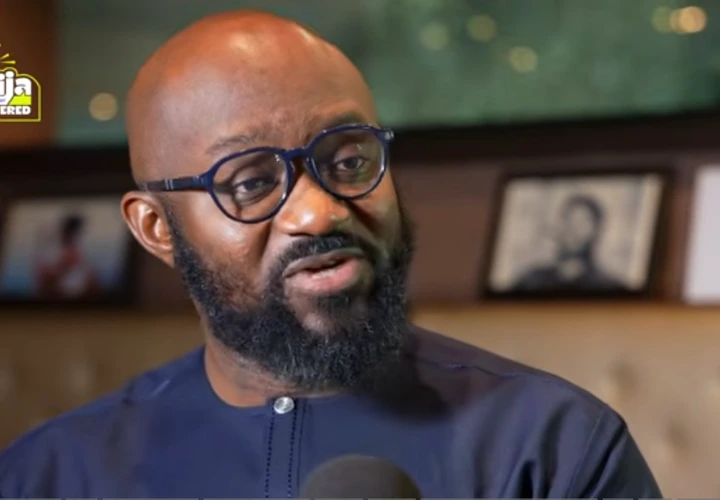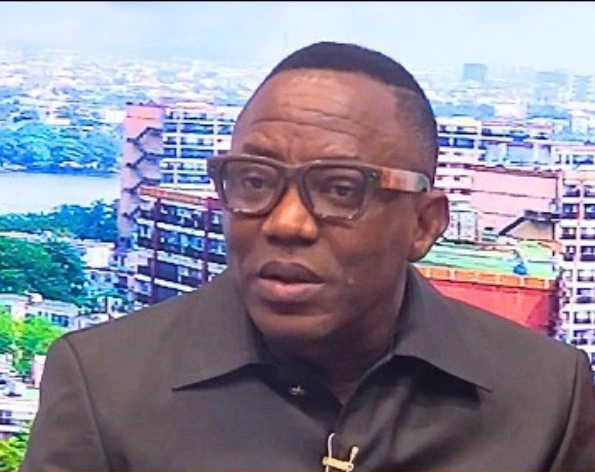


In an enlightening discussion highlighted in the Daily Post on June 10th, Mr. Peter Obi, the presidential candidate from the National Democratic Congress (NDC), has voiced serious apprehensions regarding the escalating debt burden that Nigeria is grappling with. This concern comes on the heels of a notable surge in government revenue during President Bola Tinubu’s administration. Specifically, Obi pointed out that national revenue saw a remarkable leap, climbing from N16.8 trillion in 2022 to an impressive N35 trillion by 2025. In his view, such a significant increase in revenue should ideally have led to a substantial reduction in Nigeria’s reliance on external borrowing.
Yet, despite this impressive financial uptick, Obi highlighted a startling paradox: the nation’s public debt has continued to spiral, ballooning to approximately N200 trillion. He articulated his belief that the enhanced revenue influx should have logically resulted in diminished borrowing practices and a tangible improvement in the economic well-being of everyday Nigerians. Unfortunately, this has not been the case, as countless citizens continue to endure profound financial struggles and economic challenges that seem insurmountable.
As the former governor of Anambra State, Obi not only raised concerns about the national debt but also spotlighted alarming socio-economic indicators that paint a grim picture of the country’s current state. Rising poverty levels, soaring unemployment rates, and deteriorating living standards have all become distressingly common experiences for many Nigerians. According to Obi, the hopeful correlation between increased revenue and enhanced public welfare remains unfulfilled—there has been little to no improvement in the quality of life for the average citizen.
Moreover, Obi has emphatically called for more transparency and accountability in the management of public finances, insisting that the Nigerian people deserve a detailed and clear explanation regarding the utilization of government revenues and borrowed funds over the last three years. This plea for openness is rooted in a desire for the nation’s resources to be strategically allocated towards meaningful development initiatives, rather than fueling an ever-expanding debt cycle.
His remarks resonate deeply within the broader context of ongoing debates around the government’s economic strategies and their tangible effects on the lives of Nigerian citizens. As discussions around financial policies and economic reform continue to evolve, Obi’s insights challenge both the administration and the public to critically examine the trajectory of Nigeria’s fiscal health and advocate for a more sustainable and accountable approach to governance.

探索 Headline Hub 更多内容
订阅以获取最新文章发送至您的邮箱。