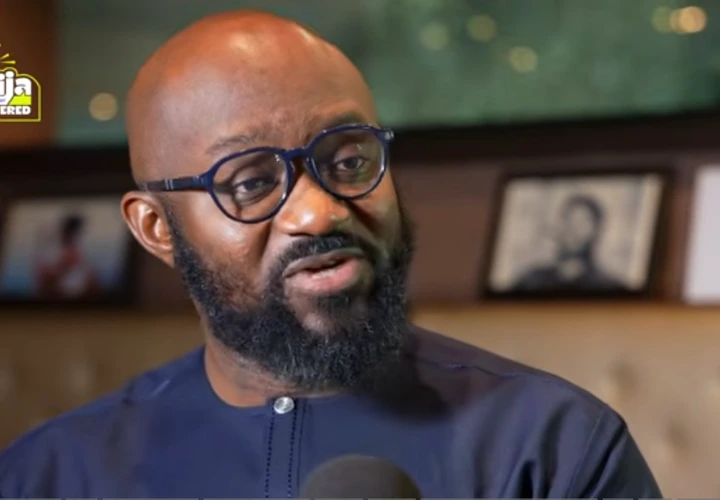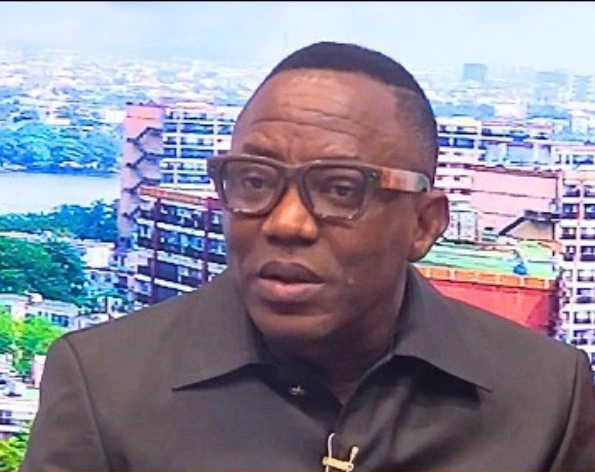


In a compelling display of insight and candor, Nyesom Wike, the Minister of the Federal Capital Territory (FCT), recently articulated a profound perspective on the essence of political leadership. He emphasized that the true hallmark of a great leader is not merely found in grand speeches or flashy political declarations, but rather in the enduring trust and confidence that they cultivate among the populace they have served.
Wike underscored that the ultimate legacy of a leader is encapsulated in the tangible development they leave behind, which serves as a testament to their commitment to the welfare of their constituents.These thoughtful observations were shared during a riveting monthly media chat held in Abuja, on Tuesday, August 5, 2026, as reported by The Sun. In this engaging session, Wike delved into a myriad of pressing topics, ranging from governance and political leadership to federal projects and the far-reaching economic consequences stemming from the controversial removal of the fuel subsidy.
Throughout the interaction, Wike, who previously served as the governor of Rivers State, passionately argued that those leaders who have genuinely dedicated themselves to the service of their people deserve ongoing respect and support, even after their time in office has concluded. He firmly asserted that enduring popularity is not a matter of political maneuvering or catchy slogans, but is instead earned through demonstrable performance that resonates with the electorate. Wike eloquently posited that the bond between elected officials and their citizens should transcend the temporal confines of the office they hold.
He noted that leaders who deliver substantial and meaningful results during their tenure tend to maintain the unwavering trust and loyalty of the public. This loyalty is built upon achievements that remain visible long after the leaders have moved on to new chapters in their lives.The minister also highlighted the critical importance of measurable development in governance. He insisted that political office holders should be able to showcase concrete projects that unmistakably reflect the tangible benefits their states have reaped from collaboration with the Federal Government.
In Wike’s view, investments in infrastructure, such as well-constructed roads, bridges, and other significant public works, provide much stronger evidence of a leader’s effectiveness than any grandstanding or political rhetoric could ever convey. These completed projects, he argued, stand as enduring symbols of a leader’s dedication to enhancing the quality of life for their citizens.Reflecting upon his own experiences as governor of Rivers State, Wike recounted the severe financial challenges that many state governments faced prior to the removal of the fuel subsidy. He candidly explained how this subsidy system significantly curtailed the revenue available to states, resulting in immense fiscal difficulties for governors across Nigeria.
The burden of the subsidy payments left many state administrations grappling to fulfill even their most basic financial obligations, making it increasingly arduous for them to pay salaries, undertake vital projects, and maintain essential government services.With a sense of urgency, Wike noted that the financial strain compelled numerous governors to seek out loans from commercial banks, desperately trying to keep their administrations afloat amidst the turmoil. He characterized that period as one of the most challenging in the recent history of subnational governance, with numerous states operating under extraordinary financial duress.
In a personal reflection, Wike shared the challenges he faced in securing financial aid during his tenure as governor. He recounted moments of humility as he found himself kneeling before bank managers, even ordinary branch managers, in a desperate quest for funds. He conveyed the frustration he felt when some bank officials would go to great lengths to avoid interaction with him, illustrating the daunting landscape of leadership during the fuel subsidy crisis. With a wry sense of humor tempered by the weight of reality, he said, “I was a governor.
I was kneeling down before bank managers, even ordinary branch managers. Sometimes they would see me and take the back door and go away. A governor would be looking for them because the fuel subsidy was a cankerworm. Over N3 trillion was going at a go.” Through these reflections, Wike invites us to rethink our perception of political leadership, urging us to place value on results and lasting impact rather than mere words. His insights serve as a guide for current and future leaders, prompting them to strive for a legacy defined by the trust and respect of the public they serve.

Discover more from Headline Hub
Subscribe to get the latest posts sent to your email.